
SEAI’s DESS Consultation
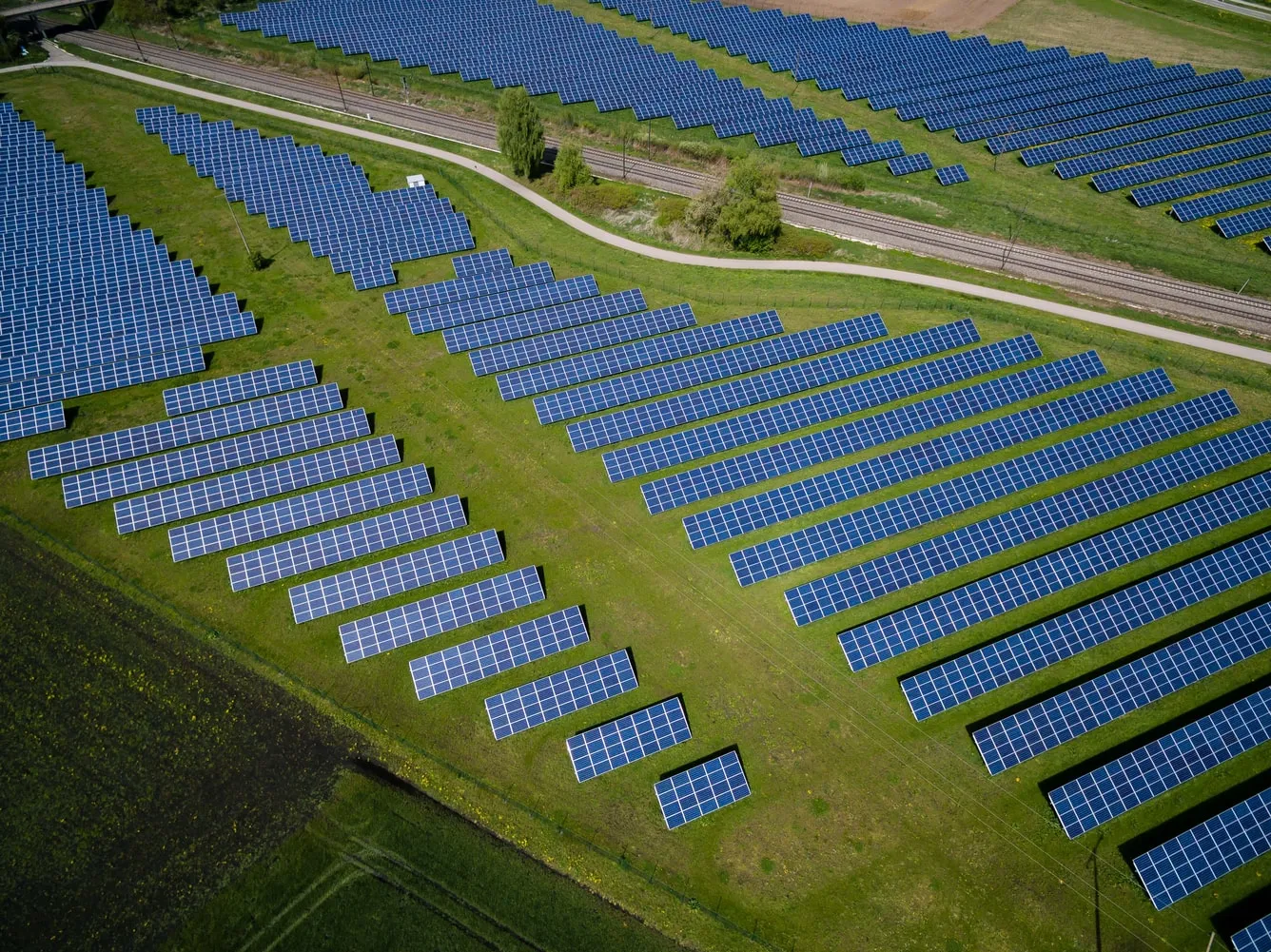
There was a lot of engagement with SEAI in the development of this consultation response, which was appreciated by the EAI. The response noted that the current methodology used to assess energy technologies may produce skewed results. The multi-criteria analysis appears overly influenced by a small number of high-cost technologies, while failing to fully reflect real-world constraints and the current Irish energy landscape. Notably, the exclusion of widely deployed technologies such as solar PV in some scenarios undermines the relevance and credibility of the analysis.
EAI noted that there are also currently gaps in the DESS in technology coverage and assumptions. Key technologies already playing an important role, such as lithium-ion batteries and synchronous condensers, are either undervalued or omitted entirely, while emerging options like eFuels are not considered. The consultation response highlighted that the methodology treats technologies in isolation rather than as part of an integrated system and relies on simplified criteria and international data that may not accurately reflect Irish conditions, costs, or operational realities.
Looking ahead, EAI emphasised the need for a more robust, system-wide approach that reflects real-world conditions and interactions across the energy system. Future analysis should incorporate existing infrastructure, expand technology coverage, and better assess factors such as security of supply and interconnection risks. While the study is valuable, its findings should be treated cautiously, with more focus on dynamic, integrated modelling to support effective and cost-efficient decarbonisation.
DCEE’s RESS 6 T&C’s Consultation
EAI believes that the proposal to introduce a deemed energy output model would significantly increase financial risk for renewable generators. Due to the unpredictability of wind generation and ongoing dispatch down levels, members highlighted that they cannot reliably forecast output, meaning they would be exposed to risks beyond their control. This added uncertainty would likely lead to higher risk premiums in auction bids, increasing overall costs and potentially driving up RESS strike prices. The proposal conflicts with existing policy principles, where community benefit contributions are linked to actual generation, ensuring a fair reflection of project performance. As a result, EAI views the proposed change as economically counterproductive and likely to increase costs for consumers without delivering clear system benefits.
EAI also noted some concern around broader design elements of the RESS scheme, particularly proposals that could introduce complexity and uncertainty for investors. The suggested phased reduction in support duration is opposed on the basis that it would increase financing costs and reduce cost-effectiveness. Similarly, assumptions around onshore wind capacity factors are considered overly optimistic, with industry experience indicating lower actual performance once constraints and outages are considered. On the other hand, there is support for pragmatic measures such as extending relief event timelines and increasing the minimum export capacity threshold, as well as maintaining flexibility in technology eligibility. The importance of scaling up auctions and introducing targeted supports were also highlighted, particularly for hybrid renewable and storage projects, to improve system flexibility and reduce curtailment.
Maintaining investor confidence and revenue stability is seen as critical to delivering Ireland’s renewable energy targets. The retention of the Unrealised Available Energy Compensation (UAEC) mechanism is strongly supported, as it helps manage system-level risks like curtailment that are outside developers’ control. Removing it prematurely could increase financing costs, discourage investment, and slow project delivery. EAI is also in support of repowering existing wind farms through RESS, with recommendations to revise restrictive eligibility criteria to better reflect real-world constraints. Overall, members emphasised that stable, predictable policy design, combined with system-focused incentives, is essential to ensure continued progress toward decarbonisation and energy security.